Trending...
- Why Yonelle Moore Lee Is Surging in Maryland District 27A's Heated 2026 Race
- Evocative Joins the Independent Data Centre Network (IDCN) as Primary USA Operator
- CAPHRA warns Southeast Asia not to repeat Australia's nicotine policy failure
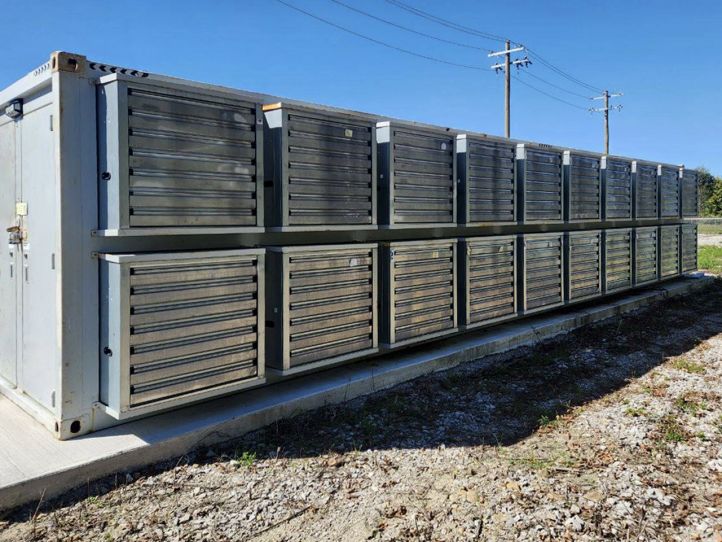

Modular container data centers are reshaping how cryptocurrency mining operates.
SAN FRANCISCO - Marylandian -- Inside Bitcoin Mining: The Containers Powering a Global Network
Over the last decade, Bitcoin has evolved from an obscure internet experiment into a global digital asset. While most people track price swings or market headlines, few see the physical infrastructure that keeps the network running behind the scenes: mining.
Bitcoin mining has grown from a hobby conducted on personal computers into a large-scale industrial operation. As the network expanded, efficiency, power availability, and operating costs became the dominant factors shaping where and how mining takes place. One solution increasingly adopted by operators is containerized infrastructure—repurposed shipping containers designed to house specialized mining equipment.
These containerized facilities offer a fast and flexible way to deploy mining operations wherever reliable electricity is available.
What Bitcoin Mining Actually Does
Bitcoin mining is the process that verifies transactions and secures the blockchain network. When someone sends Bitcoin from one digital wallet to another, the transaction must first be validated by a decentralized network of computers.
Thousands of transactions are grouped into blocks. Specialized machines known as miners compete to verify those blocks by solving complex cryptographic problems. Once a block is verified, it is added to the blockchain, and the miners receive a reward consisting of newly issued Bitcoin and transaction fees.
More on Marylandian
This process requires significant computing power, which consumes large amounts of electricity and produces substantial heat. As mining scaled globally, operators began searching for infrastructure that could support high-density computing while remaining cost-efficient and adaptable.
Why Containers Are Used for Mining
Shipping containers have become a practical solution for housing mining equipment because they are modular, transportable, and relatively quick to deploy.
Scalability is one of the biggest advantages. Instead of constructing large permanent facilities, operators can start with a single container and expand incrementally by adding more units as demand grows. Containers can be arranged side by side or stacked, creating a flexible infrastructure that grows alongside the operation.
Mobility is another major factor. Mining operations often follow access to inexpensive electricity. Containerized systems allow operators to relocate equipment to regions with more favorable energy costs or regulatory conditions, something traditional data center buildings cannot easily accommodate.
Cooling and airflow also play a critical role. Mining machines run continuously and generate large amounts of heat. Container systems are typically designed with high-volume ventilation, using industrial fans to pull cool air in and push hot air out. Some operations also incorporate evaporative cooling systems to further reduce internal temperatures while minimizing energy use.
More on Marylandian
A New Layer of Infrastructure
A typical 40-foot mining container can support roughly 1 to 1.5 megawatts of electrical load and house hundreds of specialized machines. To operate safely and efficiently, these units rely on industrial-grade electrical systems, including three-phase power, power distribution units, and carefully designed rack layouts that maintain airflow between machines.
As Bitcoin continues to mature, the infrastructure supporting it is evolving as well. Containerized mining facilities illustrate how the industry is adapting to the demands of large-scale computing while maintaining flexibility in a rapidly changing energy and regulatory landscape.
What began as a decentralized financial experiment is now supported by a global network of highly specialized infrastructure—often hidden inside rows of steel containers working around the clock.
To read the full story, click here: https://www.conexwest.com/blog/hidden-infrastructure-behind-bitcoin-shipping-containers
About Conexwest
Conexwest is a U.S.-based supplier of shipping containers and container modifications serving commercial, industrial, and infrastructure projects across North America. The company provides new and used shipping containers along with customized container solutions designed for storage, mobile offices, modular facilities, and specialized infrastructure such as data processing environments and equipment housing.
Learn more at: https://www.conexwest.com
Over the last decade, Bitcoin has evolved from an obscure internet experiment into a global digital asset. While most people track price swings or market headlines, few see the physical infrastructure that keeps the network running behind the scenes: mining.
Bitcoin mining has grown from a hobby conducted on personal computers into a large-scale industrial operation. As the network expanded, efficiency, power availability, and operating costs became the dominant factors shaping where and how mining takes place. One solution increasingly adopted by operators is containerized infrastructure—repurposed shipping containers designed to house specialized mining equipment.
These containerized facilities offer a fast and flexible way to deploy mining operations wherever reliable electricity is available.
What Bitcoin Mining Actually Does
Bitcoin mining is the process that verifies transactions and secures the blockchain network. When someone sends Bitcoin from one digital wallet to another, the transaction must first be validated by a decentralized network of computers.
Thousands of transactions are grouped into blocks. Specialized machines known as miners compete to verify those blocks by solving complex cryptographic problems. Once a block is verified, it is added to the blockchain, and the miners receive a reward consisting of newly issued Bitcoin and transaction fees.
More on Marylandian
- Zenylitics Announces Leadership Transition to Continue Accelerated Growth
- MEDIA RELEASE: Deadline for Maryland Department of Agriculture Cover Crop Termination Extended to June 5
- Wellness Technology Distributor Helping People Set Up Wellness Center Businesses
- Maryland: State Soil Conservation Committee Meeting Notice
- Christian Apocalyptic Thriller Explores Biblical Prophecy, Global Technology, & the Rise of the Ant
This process requires significant computing power, which consumes large amounts of electricity and produces substantial heat. As mining scaled globally, operators began searching for infrastructure that could support high-density computing while remaining cost-efficient and adaptable.
Why Containers Are Used for Mining
Shipping containers have become a practical solution for housing mining equipment because they are modular, transportable, and relatively quick to deploy.
Scalability is one of the biggest advantages. Instead of constructing large permanent facilities, operators can start with a single container and expand incrementally by adding more units as demand grows. Containers can be arranged side by side or stacked, creating a flexible infrastructure that grows alongside the operation.
Mobility is another major factor. Mining operations often follow access to inexpensive electricity. Containerized systems allow operators to relocate equipment to regions with more favorable energy costs or regulatory conditions, something traditional data center buildings cannot easily accommodate.
Cooling and airflow also play a critical role. Mining machines run continuously and generate large amounts of heat. Container systems are typically designed with high-volume ventilation, using industrial fans to pull cool air in and push hot air out. Some operations also incorporate evaporative cooling systems to further reduce internal temperatures while minimizing energy use.
More on Marylandian
- MEDIA ADVISORY: Join Secretary of Agriculture Kevin Atticks and Maryland's Best in Kicking Off the 2026 Ice Cream Trail!
- The Hidden Price Of Lost Property In UK Schools
- Milton Collier, CEO & President of Freight Broker 911, Eliminates the #1 Barrier to Entry in Logistics: Announces 100% Free Freight Broker Training
- FDA-Cleared AI Neuropsychiatry Platform, Million-Dose Ketamine Manufacturing and Presidential Psychedelic Initiative Drive Growing Momentum for NRXP
- AI Velocity Trading Launches Institutional-Grade Algorithmic Engine for Retail Investors
A New Layer of Infrastructure
A typical 40-foot mining container can support roughly 1 to 1.5 megawatts of electrical load and house hundreds of specialized machines. To operate safely and efficiently, these units rely on industrial-grade electrical systems, including three-phase power, power distribution units, and carefully designed rack layouts that maintain airflow between machines.
As Bitcoin continues to mature, the infrastructure supporting it is evolving as well. Containerized mining facilities illustrate how the industry is adapting to the demands of large-scale computing while maintaining flexibility in a rapidly changing energy and regulatory landscape.
What began as a decentralized financial experiment is now supported by a global network of highly specialized infrastructure—often hidden inside rows of steel containers working around the clock.
To read the full story, click here: https://www.conexwest.com/blog/hidden-infrastructure-behind-bitcoin-shipping-containers
About Conexwest
Conexwest is a U.S.-based supplier of shipping containers and container modifications serving commercial, industrial, and infrastructure projects across North America. The company provides new and used shipping containers along with customized container solutions designed for storage, mobile offices, modular facilities, and specialized infrastructure such as data processing environments and equipment housing.
Learn more at: https://www.conexwest.com
Source: Conexwest
0 Comments
Latest on Marylandian
- Curious About Mensa? DFW Event Offers a 1-Day Immersion
- Mini Hip Hop Museum Appoints Jazemene "Madam Butterfly" Dansby as Vice President
- Autumn Joi Hosts Neema Dance Collective's 10th Anniversary Gala and Spring Production
- Buzzblender Announces Launch of Simple Hotel Mode for Android and Upcoming Video Wall Support for Samsung Professional Displays
- How Strategic WooCommerce Development and Digital Marketing Helped a Fashion Ecommerce Business Increase Revenue by 3X
- Aelix Energy Launches 'The Producer's Edge'
- VIV Welcomes Residents to St. Petersburg's EDGE District
- Evocative Joins the Independent Data Centre Network (IDCN) as Primary USA Operator
- Webinar: Empowering Public Sector Agencies to Scale Workforce Training with AI
- Medical Experts Highlight the Importance of Second Opinions in Death Investigations
- Joseph Nybyk aka Neibich of Gilbert, Arizona
- Omnitronics Unveils 100% Software omniGateDMR and omniGateP25 RoIP Gateways
- KRE PRIME Launches Adaptive Convertible Jumpsuit
- USA Med Bed Helping Home Care Patients with Refurbished Hill Rom Hospital Beds
- Sobreseimiento de Nicolás dos Santos y Jorge Méndez expone demandas millonarias a Paraguay y boicot a la Hidrovía
- CAPHRA warns Southeast Asia not to repeat Australia's nicotine policy failure
- Why Yonelle Moore Lee Is Surging in Maryland District 27A's Heated 2026 Race
- Milo3D.ai Launches Free AI 3D Model Generator That Turns Text and Images Into Game-Ready 3D Assets in Seconds
- UK Financial Ltd Executes 100% Success Rate on All ERC-3643 Transfers to Coin Holders of MayaCat Regulated Security Token and Maya Preferred PRA
- Atlanticoverstock Announces New Phase of Growth Following Strategic Restructuring and Platform Expansion