Trending...
- New Novel WINCE Takes Unflinching Aim at American Gun Culture and Masculinity
- Filmmaker LaDàna Young Expands Multimedia Pipelines For Underserved Youth With My Fairy Godparents
- Maryland State Board of Veterinary Medical Examiners Meeting Notice
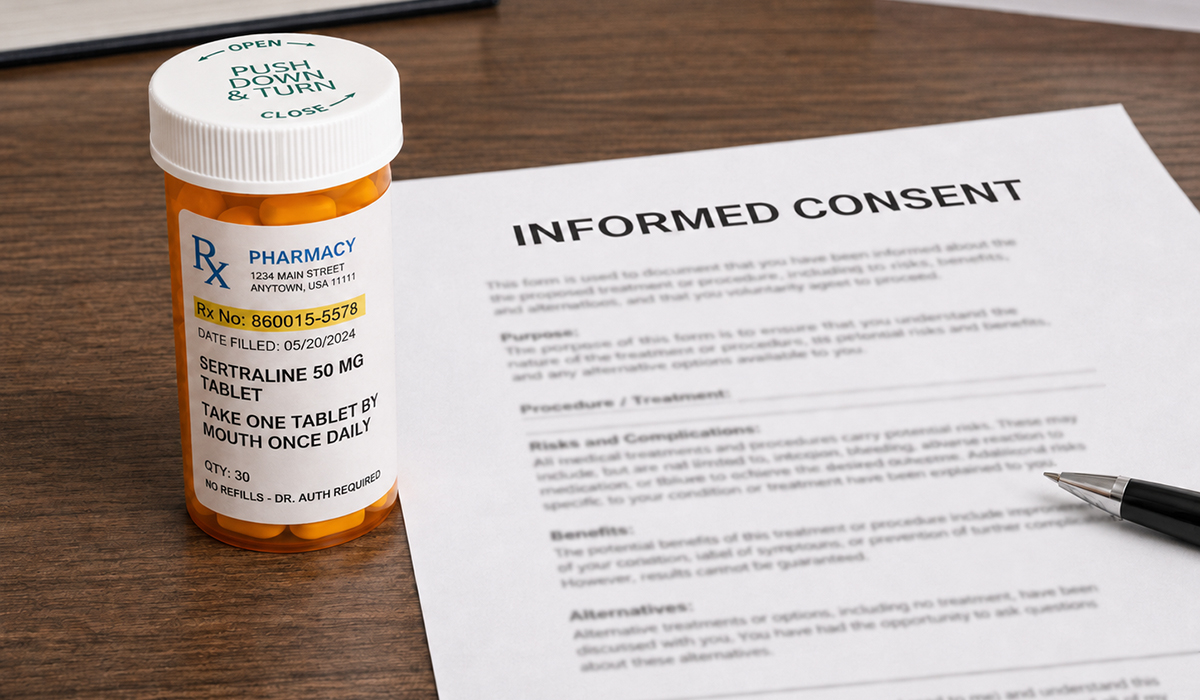
Watchdog's decades-long advocacy for patient rights and safe psychotropic withdrawal gains powerful validation amid rising debate on psychiatric drug risks
LOS ANGELES - Marylandian -- By CCHR International
The New York Times recently highlighted the intensifying public debate over the risks of psychiatric drugs, particularly antidepressants, and the urgent need for deprescribing and safe withdrawal protocols.[1] This discussion marks a significant vindication for the Citizens Commission on Human Rights (CCHR), a mental health industry watchdog that has exposed these harms since 1969, and for its International President, Jan Eastgate, who has fought for patient rights and safe withdrawal for nearly 50 years. Eastgate's commitment stems from her own harrowing experience in the 1970s, when a physical condition was misdiagnosed and she was prescribed several psychotropics, from which she withdrew over six painful months.
CCHR International has warned about the dangers of psychiatric drugs, supported survivors, collaborated with doctors and attorneys, and pushed for stronger informed consent protections. The organization's longstanding concerns are now echoed at the highest levels of government and within the psychiatric community itself.
This year, Health and Human Services Secretary Robert F. Kennedy Jr. announced policies encouraging doctors to deprescribe antidepressants, the most widely prescribed class of psychiatric drugs. Just 10 days later, the American Psychiatric Association's annual meeting featured multiple sessions focused on helping patients taper off medications with serious side effects.
CCHR played a key role in securing 2007 amendments to Food and Drug Administration (FDA) law that increased consumers and families ability to report Adverse Drug Reactions (ADRs) directly. This built on CCHR's major campaign launched in the late 1980s when the first SSRI antidepressant entered the U.S. market.[2]
In 1989, a CCHR representative testified at the coroner's inquest into the Joseph Wesbecker mass shooting in Kentucky, highlighting the role of the antidepressant fluoxetine that Wesbecker was taking and its potential to induce violent and suicidal thoughts. Wesbecker's psychiatrist and the coroner both acknowledged this risk. Since then, CCHR, working with survivors and attorneys, has exposed how some psychiatric drugs may cause addiction and induce violent and suicidal behavior.
More on Marylandian
The organization's media efforts led to appearances on major programs such as Donahue and Geraldo, generating hundreds of calls from affected individuals. In 1990, CCHR obtained 17,000 adverse reaction reports for fluoxetine via a Freedom of Information Act request—more than any other drug in FDA history at the time.
In 1991, CCHR helped force an FDA Psychopharmacological Drugs Advisory Committee hearing on antidepressants and suicide. Survivors and family members shared devastating testimonies, including cases of murder-suicides and profound emotional side effects. Despite conflicts of interest among panel members—who ignored these pleas—CCHR continued its efforts.[3]
For 14 years, CCHR advocated alongside parents and attorneys for FDA black box warnings on the risk of suicide in children and adolescents on antidepressants. The organization's testimony contributed to the 2004 warning and its 2006 expansion to young adults. CCHR helped secure a second toxicology test in the 1999 Columbine high school shooting, confirming the involvement of an SSRI antidepressant in the ringleader. Its advocacy helped pass the 2004 Prohibition on Mandatory Medication Amendment, which banned schools from requiring children to take psychiatric drugs. This protected parents from medical neglect charges for refusing psychotropic drugs for their child.
Eastgate has been at the forefront of this fight. Prescribed antidepressants and benzodiazepines as a teenager for what was later identified as undiagnosed hypothyroidism, she suffered severe iatrogenic effects including emotional numbing, addiction, fatigue, and loss of interest in life. Higher doses led to 10 brutal sessions of electroshock treatment (ECT).
The withdrawal process was extremely difficult, involving months of emotional volatility and intense impulses. Recovery from electroshock took years due to profound memory loss and physical trauma. Eastgate described ECT as feeling like "a grenade exploding inside the brain."
In late 1977, Eastgate began volunteering with CCHR and has since dedicated nearly five decades to the organization's work, serving as President of CCHR International in the United States for over 30 years and previously led efforts in Australia for nearly two decades.
More on Marylandian
In the 1980s and 1990s, she worked with electroshock survivors to campaign against "deep sleep treatment"—a lethal combination of psychotropic drugs and electroshock—helping secure bans in several Australian states. She advocated for government-funded, safe withdrawal programs before women's rights groups long before the addictive potential of these drugs was fully publicized.
CCHR has extensively documented how some psychiatric drugs can contribute to violence through mechanisms such as emotional numbing (emotional blunting) and akathisia. "Emotional numbing creates detachment and reduced empathy, while akathisia produces severe inner agitation that can lead to impulsive, aggressive, or suicidal behavior," Eastgate says. The group provided research on this issue to journalist Kelly O'Meara for her groundbreaking article, "Guns and Doses" in 1999 and Fox News' Douglas Kennedy's series in 2002. In 2018, Eastgate authored the report Psychiatric Drugs Create Violence and Suicide at the request of a law enforcement officer. A recent updated version details 145 cases of violent acts committed by individuals taking or withdrawing from psychiatric drugs.
Congressional leaders have recognized CCHR's contributions and House resolutions have honored the organization's work in safeguarding human rights in mental health.
As Secretary Kennedy advances deprescribing initiatives, some psychiatrists have expressed concerns about the future of their field. Comments at the recent APA meeting included admissions that "Meds are not the answer" and regrets over not withdrawing patients from psychiatric drugs sooner.
Eastgate views the current moment as a long-overdue turning point and continues to call for genuine informed consent, widespread access to safe withdrawal programs, and the development of non-drug alternatives.
CCHR was founded in 1969 by the Church of Scientology and renowned psychiatrist Dr. Thomas Szasz. The organization has assisted tens of thousands of individuals harmed by psychiatric treatments.
[1] Ellen Barry, "Kennedy's Push to Curb Antidepressants Has Shaken Psychiatry," The New York Times, 24 May 2026, www.nytimes.com/2026/05/24/science/rfk-jr-antidepressants-ssri-psychiatry.html
[2] www.cchrint.org/about-us/cchr-accomplishments/
[3] Craig McLaughlin, "The Perils of Prozac," San Francisco Bay Guardian, 4 July 1990
The New York Times recently highlighted the intensifying public debate over the risks of psychiatric drugs, particularly antidepressants, and the urgent need for deprescribing and safe withdrawal protocols.[1] This discussion marks a significant vindication for the Citizens Commission on Human Rights (CCHR), a mental health industry watchdog that has exposed these harms since 1969, and for its International President, Jan Eastgate, who has fought for patient rights and safe withdrawal for nearly 50 years. Eastgate's commitment stems from her own harrowing experience in the 1970s, when a physical condition was misdiagnosed and she was prescribed several psychotropics, from which she withdrew over six painful months.
CCHR International has warned about the dangers of psychiatric drugs, supported survivors, collaborated with doctors and attorneys, and pushed for stronger informed consent protections. The organization's longstanding concerns are now echoed at the highest levels of government and within the psychiatric community itself.
This year, Health and Human Services Secretary Robert F. Kennedy Jr. announced policies encouraging doctors to deprescribe antidepressants, the most widely prescribed class of psychiatric drugs. Just 10 days later, the American Psychiatric Association's annual meeting featured multiple sessions focused on helping patients taper off medications with serious side effects.
CCHR played a key role in securing 2007 amendments to Food and Drug Administration (FDA) law that increased consumers and families ability to report Adverse Drug Reactions (ADRs) directly. This built on CCHR's major campaign launched in the late 1980s when the first SSRI antidepressant entered the U.S. market.[2]
In 1989, a CCHR representative testified at the coroner's inquest into the Joseph Wesbecker mass shooting in Kentucky, highlighting the role of the antidepressant fluoxetine that Wesbecker was taking and its potential to induce violent and suicidal thoughts. Wesbecker's psychiatrist and the coroner both acknowledged this risk. Since then, CCHR, working with survivors and attorneys, has exposed how some psychiatric drugs may cause addiction and induce violent and suicidal behavior.
More on Marylandian
- Hand Dryer USA Says Green Buildings Have a Blind Spot
- CRG Awarded NASA SEWP VI Contracts in Categories B and C
- Heidi G. Villari of The Villari Firm, PLLC Named to Super Lawyers for the Tenth Consecutive Year
- Maryland: PUBLIC NOTICE: Unscheduled Mosquito Control Activity in Anne Arundel County Planned for July 27
- Elevate Your Sneakers With Crep Protect Trek Laces
The organization's media efforts led to appearances on major programs such as Donahue and Geraldo, generating hundreds of calls from affected individuals. In 1990, CCHR obtained 17,000 adverse reaction reports for fluoxetine via a Freedom of Information Act request—more than any other drug in FDA history at the time.
In 1991, CCHR helped force an FDA Psychopharmacological Drugs Advisory Committee hearing on antidepressants and suicide. Survivors and family members shared devastating testimonies, including cases of murder-suicides and profound emotional side effects. Despite conflicts of interest among panel members—who ignored these pleas—CCHR continued its efforts.[3]
For 14 years, CCHR advocated alongside parents and attorneys for FDA black box warnings on the risk of suicide in children and adolescents on antidepressants. The organization's testimony contributed to the 2004 warning and its 2006 expansion to young adults. CCHR helped secure a second toxicology test in the 1999 Columbine high school shooting, confirming the involvement of an SSRI antidepressant in the ringleader. Its advocacy helped pass the 2004 Prohibition on Mandatory Medication Amendment, which banned schools from requiring children to take psychiatric drugs. This protected parents from medical neglect charges for refusing psychotropic drugs for their child.
Eastgate has been at the forefront of this fight. Prescribed antidepressants and benzodiazepines as a teenager for what was later identified as undiagnosed hypothyroidism, she suffered severe iatrogenic effects including emotional numbing, addiction, fatigue, and loss of interest in life. Higher doses led to 10 brutal sessions of electroshock treatment (ECT).
The withdrawal process was extremely difficult, involving months of emotional volatility and intense impulses. Recovery from electroshock took years due to profound memory loss and physical trauma. Eastgate described ECT as feeling like "a grenade exploding inside the brain."
In late 1977, Eastgate began volunteering with CCHR and has since dedicated nearly five decades to the organization's work, serving as President of CCHR International in the United States for over 30 years and previously led efforts in Australia for nearly two decades.
More on Marylandian
- Meet Privateer: Tucson's High-Tech Security Force Built With Paramilitary Precision
- Dynamic Dachshund Dog Goes Global: Remember Point Launches a New Bilingual Children's Book
- DARPA Selects NRx Pharmaceuticals Defense Subsidiary for Contract Negotiations on FDA-Authorized SPARC-TMS Clinical Trial Advancing Mental Health Care
- From the Racetrack to the Boardroom: Aston Martin and Aramco Formula One Partnership Accelerates Circle8 Group: (N A S D A Q: CIRC)
- Chesapeake Health Care Welcomes Dr. Ryan Blevins to Adult Medicine Team
In the 1980s and 1990s, she worked with electroshock survivors to campaign against "deep sleep treatment"—a lethal combination of psychotropic drugs and electroshock—helping secure bans in several Australian states. She advocated for government-funded, safe withdrawal programs before women's rights groups long before the addictive potential of these drugs was fully publicized.
CCHR has extensively documented how some psychiatric drugs can contribute to violence through mechanisms such as emotional numbing (emotional blunting) and akathisia. "Emotional numbing creates detachment and reduced empathy, while akathisia produces severe inner agitation that can lead to impulsive, aggressive, or suicidal behavior," Eastgate says. The group provided research on this issue to journalist Kelly O'Meara for her groundbreaking article, "Guns and Doses" in 1999 and Fox News' Douglas Kennedy's series in 2002. In 2018, Eastgate authored the report Psychiatric Drugs Create Violence and Suicide at the request of a law enforcement officer. A recent updated version details 145 cases of violent acts committed by individuals taking or withdrawing from psychiatric drugs.
Congressional leaders have recognized CCHR's contributions and House resolutions have honored the organization's work in safeguarding human rights in mental health.
As Secretary Kennedy advances deprescribing initiatives, some psychiatrists have expressed concerns about the future of their field. Comments at the recent APA meeting included admissions that "Meds are not the answer" and regrets over not withdrawing patients from psychiatric drugs sooner.
Eastgate views the current moment as a long-overdue turning point and continues to call for genuine informed consent, widespread access to safe withdrawal programs, and the development of non-drug alternatives.
CCHR was founded in 1969 by the Church of Scientology and renowned psychiatrist Dr. Thomas Szasz. The organization has assisted tens of thousands of individuals harmed by psychiatric treatments.
[1] Ellen Barry, "Kennedy's Push to Curb Antidepressants Has Shaken Psychiatry," The New York Times, 24 May 2026, www.nytimes.com/2026/05/24/science/rfk-jr-antidepressants-ssri-psychiatry.html
[2] www.cchrint.org/about-us/cchr-accomplishments/
[3] Craig McLaughlin, "The Perils of Prozac," San Francisco Bay Guardian, 4 July 1990
Source: Citizens Commission on Human Rights International
Filed Under: Health, Government
0 Comments
Latest on Marylandian
- Theresa Zaino Featured on "We Got Your 6 @ 6:00" with Host Mark E. Petersen
- Prince George's County MWA Hosts Fiction Craft Event on Conflict and Suspense with Austin Camacho
- Allstream Energy Partners Returns as a Media Partner for the 2026 API Inspection & Mechanical Integrity Summit in San Antonio
- Maryland: PUBLIC NOTICE: Unscheduled Mosquito Control Activity in Prince George's County Planned for July 19
- PokerStars & Ladbrokes veteran buys into Finnish news media Rahapelisanomat
- Former Judge Chris Oldner Honored as Best Lawyer by "D Magazine" for 6th Straight Year
- Missouri Hemp Businesses File Federal Lawsuit Challenging HB 2641
- Boston Industrial Solutions Launches New Citrine® SA1-370 Silicone Glue for Permanent Adhesion
- Northeast Airlines Launches New Asset Management Group
- AI Visibility Labs LLC - Dallas Texas - July 16 2026
- NextBoat's AI-Powered Marine Marketplace Gains Momentum as Record Growth Signals an Inflection Point for Investors (N Y S E American: NXB)
- Stepping Off the Grid: Savista Retreat Announces New Experiential Packages in Jaipur for Travellers
- Where Is Your Faith The Movie and Sountrack
- Bynn Intelligence Ranks #1 in NIST Child Online Safety Evaluation for Ages 13–16
- Rev-O-Box™ Launches Reversible Shipping Box That Instantly Becomes a Premium Gift Box
- Las Vegas Estate Firm Ghandi Deeter Blackham Offers Insight on Tony Hsieh's Contested $500 Million Will
- CCHR: Congressional Hearing Revives Lessons from MKULTRA Era – Why Past Psychiatric Human Rights Abuses Demand Vigilance Today
- Pacto Medical Wins Red Dot Design Concept Award 2026 for Slimshot® Compact Prefilled Syringe
- Heritage at Manalapan Introduces Luxury Single-Family Homes with Exceptional Value in One of Monmouth County's Most Desirable Locations
- Achugogo: Tale of the Spring Chaser Wins Inaugural TCCF Prize at Mifa Pitches, the Industry Market of the Annecy International Animation Film Festival