Trending...
- NEWS RELEASE: Maryland Department of Agriculture Announces Sign-Up Dates for 2026 Cover Crop Grant - 134
- TRADE SECRETS Delivers a Real‑World Roadmap for Today's Actors
- DuoKey Launches Quantum Risk Score to Help Enterprises Prioritise Post-Quantum Cryptography Migration
Fuel2Electric Steps In as Parts Shortages and Vanishing Expertise Threaten 43 Million Classic and Vintage Vehicles
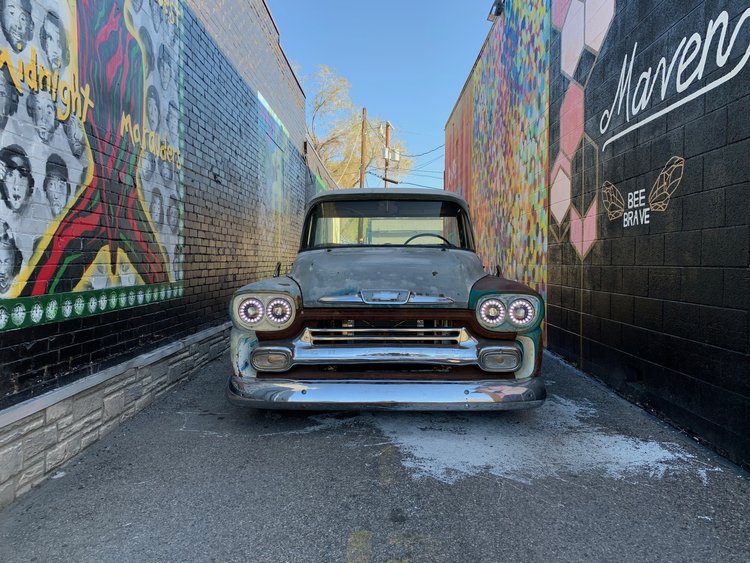
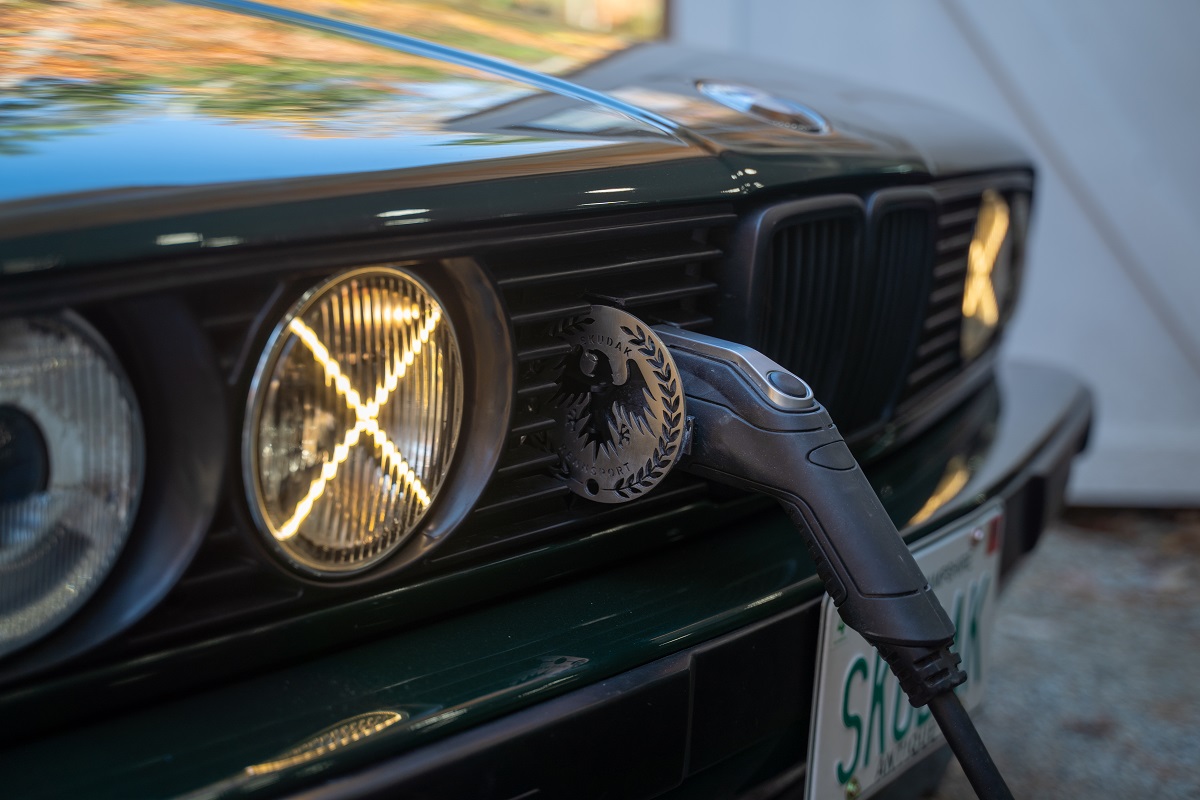
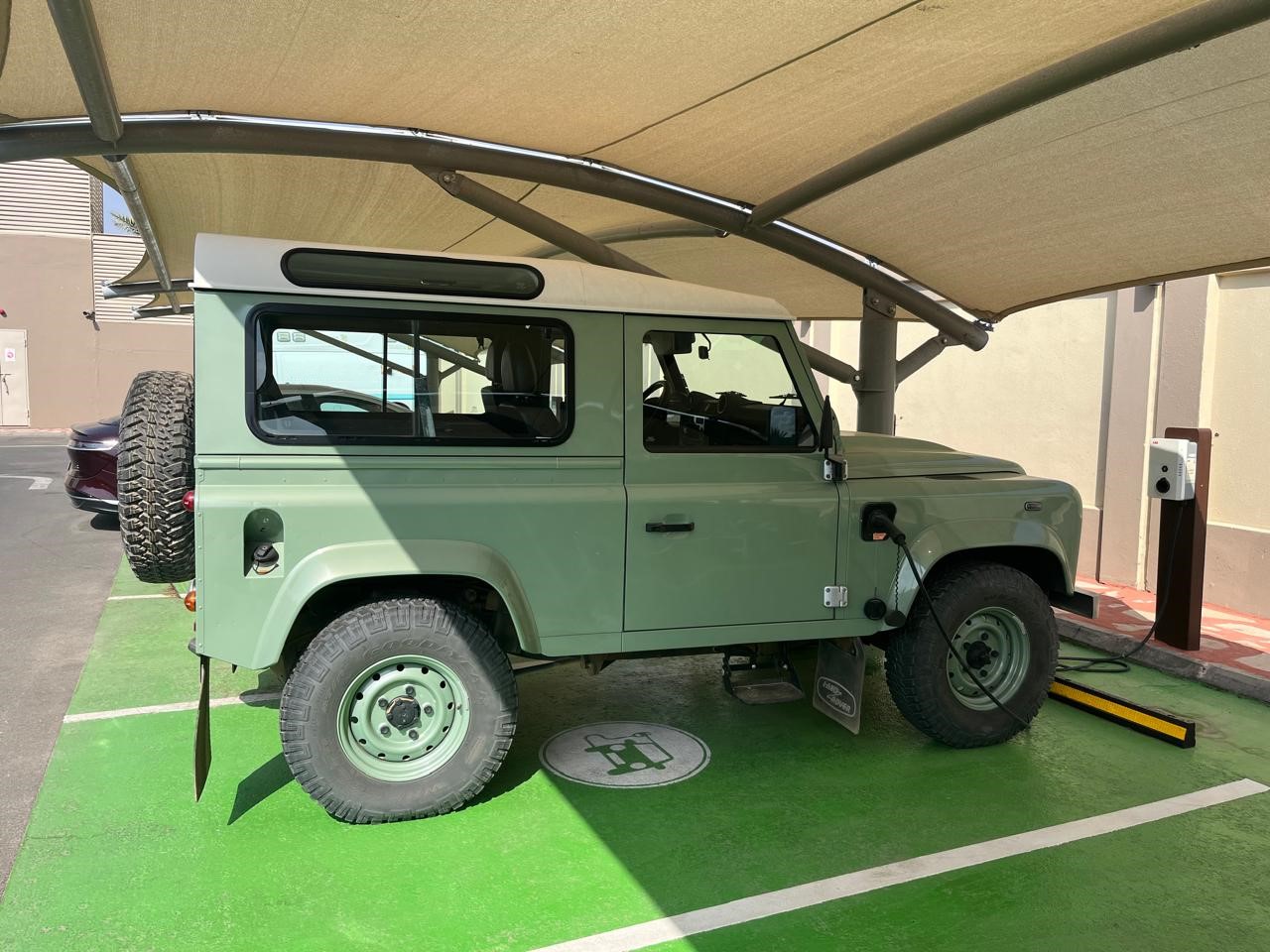
FAYETTEVILLE, Ark. - Marylandian -- As the automotive industry accelerates toward an all-electric future, a critical question emerges over America's 43 million classic and vintage vehicles: What happens to automotive heritage when gas stations disappear, and the mechanics who understand carburetors retire? Fuel2Electric, the world's largest electric vehicle conversion network, is answering that question by pioneering what it calls "the most ambitious sustainability project after solar panels", giving every aging vehicle a second electric life.
The numbers tell a stark story. According to the Specialty Equipment Market Association (SEMA); 60% of classic car owners report difficulty finding original parts, fewer than 5% of automotive technicians under 30 have any training in pre-fuel-injection systems, the average classic car sits under a tarp 350 days per year and is driven just 1,200 miles annually (not because owners don't want to drive them, but because they can't rely on them).
"We're watching a perfect storm develop," says the founder of Fuel2Electric. "Classic cars aren't wearing out; they're being abandoned because the parts to fix them no longer exist, and the people who know how to work on them are disappearing. Meanwhile, we're scrapping 12 million vehicles annually in the U.S., when most of those vehicle bodies have decades of life remaining and, more importantly, countless memories left to create with family and friends."
More on Marylandian
Electric conversion offers an unexpected solution. The technology has proven itself remarkably durable, with electric motors routinely exceeding 500,000 miles and battery packs retaining 80-85% capacity after 200,000 miles. This creates a unique convergence: millions of classic vehicles with beautiful bodies but failing drivetrains meeting a mature, proven electric technology designed to outlast everything around it.
The results transform economics and usability. Owners report using converted classics as daily drivers, commuting on Friday, and road-tripping on Saturday, without the constant maintenance and reliability concerns that previously kept these vehicles parked. And the best part: it's so smooth and easy to drive that all the family members can take the wheel confidently. No need for a mechanic on standby.
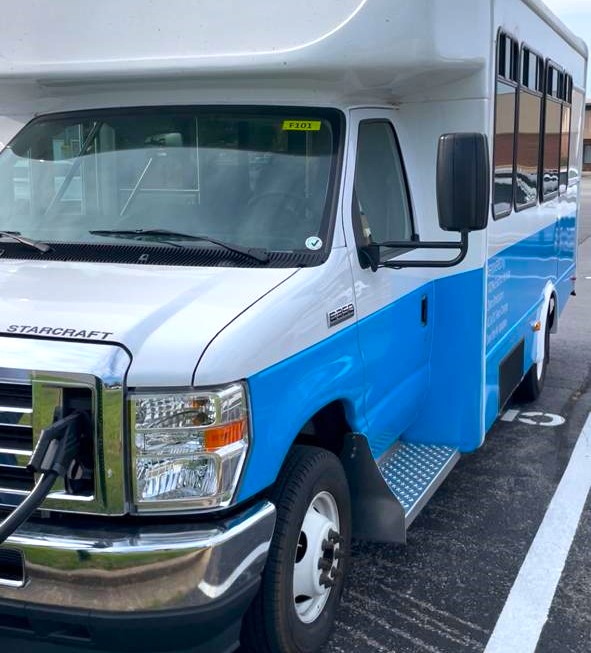
The impact extends beyond individual enthusiasts. Commercial fleets represent an even larger opportunity, with small and mid-sized businesses converting aging delivery vans and service vehicles. Transit agencies are converting shuttle buses for $88,000-$150,000 versus $350,000 for new electric shuttle buses, achieving three to four-year ROI through fuel and maintenance savings.
More on Marylandian
Fuel2Electric doesn't perform conversions directly but connects vehicle owners with a growing network of independent automotive shops across the U.S. and Canada. They help car owners understand the process and guide them in deciding whether to pursue a premium build or a hands-on DIY approach, with training and parts sourcing.
"This isn't about choosing between preserving automotive heritage and protecting the environment," the company emphasizes. "It's about proving we can do both. With 100 million vehicles over 16 years old on U.S. roads, conversion isn't just practical, it's essential for saving our automotive legacy."
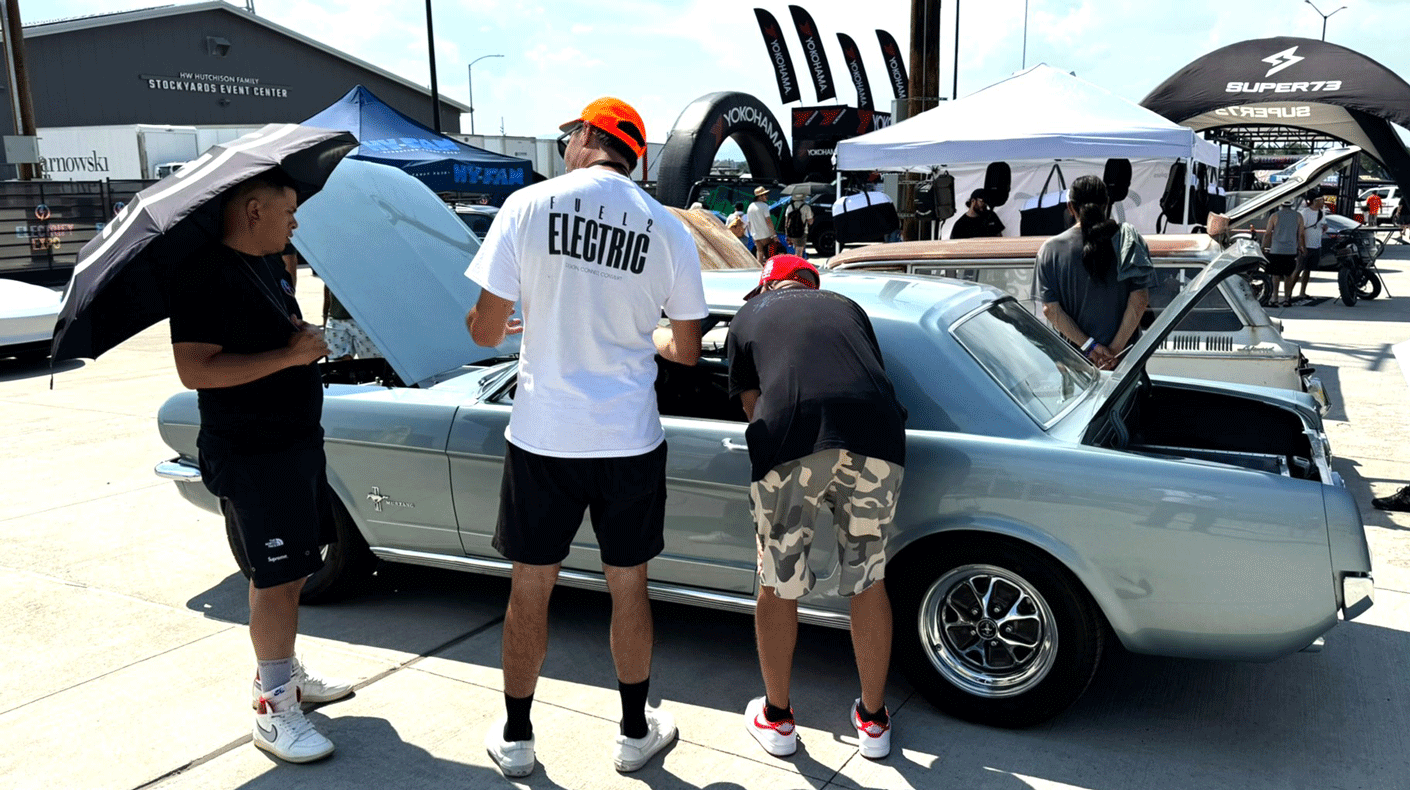
New technology isn't just benefiting new vehicles; electric conversion allows fleet managers to save costs and classic car owners to give their father's 66 Mustang a new lease on life, driving better than it ever did, in a world that's moving beyond gasoline.
The numbers tell a stark story. According to the Specialty Equipment Market Association (SEMA); 60% of classic car owners report difficulty finding original parts, fewer than 5% of automotive technicians under 30 have any training in pre-fuel-injection systems, the average classic car sits under a tarp 350 days per year and is driven just 1,200 miles annually (not because owners don't want to drive them, but because they can't rely on them).
"We're watching a perfect storm develop," says the founder of Fuel2Electric. "Classic cars aren't wearing out; they're being abandoned because the parts to fix them no longer exist, and the people who know how to work on them are disappearing. Meanwhile, we're scrapping 12 million vehicles annually in the U.S., when most of those vehicle bodies have decades of life remaining and, more importantly, countless memories left to create with family and friends."
More on Marylandian
- Andrew D. Levine Releases The Lily Network, an Indian Noir Mystery of Power, Paperwork & Murder
- The Mapping Software Behind America's Viral Maps Just Got Faster and Smarter
- Longevityresearch.ca publishes cross-disease causal analysis quantifying endpoint reduction across 27 diseases
- Joulescope JS320 Launches to Help Engineers Develop Battery-Powered Devices with Greater Confidence
- Ghanaian Afrobeat Artist Praise Kusi Announces Upcoming EP "After 21:00" Releasing July 3, 2026
Electric conversion offers an unexpected solution. The technology has proven itself remarkably durable, with electric motors routinely exceeding 500,000 miles and battery packs retaining 80-85% capacity after 200,000 miles. This creates a unique convergence: millions of classic vehicles with beautiful bodies but failing drivetrains meeting a mature, proven electric technology designed to outlast everything around it.
The results transform economics and usability. Owners report using converted classics as daily drivers, commuting on Friday, and road-tripping on Saturday, without the constant maintenance and reliability concerns that previously kept these vehicles parked. And the best part: it's so smooth and easy to drive that all the family members can take the wheel confidently. No need for a mechanic on standby.
The impact extends beyond individual enthusiasts. Commercial fleets represent an even larger opportunity, with small and mid-sized businesses converting aging delivery vans and service vehicles. Transit agencies are converting shuttle buses for $88,000-$150,000 versus $350,000 for new electric shuttle buses, achieving three to four-year ROI through fuel and maintenance savings.
More on Marylandian
- TURRENTINE: A Family Legacy United Through Music
- PUBLIC NOTICE: Maryland Agencies to Treat Potomac River for Black Fly Control on June 24
- Save 10 Percent Off Summer Stays at KeysCaribbean Resorts
- CGI Announces Pre-Order Launch for New Integrated Behavioral Health Book
- Prince George's County Students Now Have A Rare Opportunity In TV Film Production Career-readiness
Fuel2Electric doesn't perform conversions directly but connects vehicle owners with a growing network of independent automotive shops across the U.S. and Canada. They help car owners understand the process and guide them in deciding whether to pursue a premium build or a hands-on DIY approach, with training and parts sourcing.
"This isn't about choosing between preserving automotive heritage and protecting the environment," the company emphasizes. "It's about proving we can do both. With 100 million vehicles over 16 years old on U.S. roads, conversion isn't just practical, it's essential for saving our automotive legacy."
New technology isn't just benefiting new vehicles; electric conversion allows fleet managers to save costs and classic car owners to give their father's 66 Mustang a new lease on life, driving better than it ever did, in a world that's moving beyond gasoline.
Source: Fuel2Electric, LLC
Filed Under: Technology
0 Comments
Latest on Marylandian
- SITE Technologies Releases Industry Research Report Exposing the CapEx Intelligence Gap in Commercial Real Estate
- A Business Novel About Ambition, Ethics, and the Hidden Realities of International Business
- NEWS RELEASE: Maryland Department of Agriculture Announces Sign-Up Dates for 2026 Cover Crop Grant
- Rev. Miguel Bustillos Releases New Book
- TRADE SECRETS Delivers a Real‑World Roadmap for Today's Actors
- Century Fasteners Corp. Exhibiting at 2026 Farnborough International Airshow
- Compton to host first Juneteenth celebration with We Are Us Festival
- DuoKey Launches Quantum Risk Score to Help Enterprises Prioritise Post-Quantum Cryptography Migration
- Top 5 Most Reliable Used Vans in the UK in 2026
- Dominican Fashion Designer Raiza Bonaparte presents the Sovereign Despampanante Collection at the Library of Congress
- What Happens When Congress Says No? New Book Examines the Boland Amendments, Iran-Contra Affair & Jamaican Posse, as US Congress Debate Over Military
- Warm, Dry Summer Forecast Points to a Stronger Wasp and Yellowjacket Season Across the Pacific Northwest
- Qscription Technologies Appoints Anurag Velekkatt Sunil Kumar to Drive Enterprise Scale
- Coming Up on Moving America Forward: Kim Natovitz, Leading Long-Term Care Specialist and Retirement Expert, Joins Tom Hegna
- SafeBets Named Presenting Sponsor of IMCX 2026, Bringing Its No-Deposit Prediction Platform to the Creator Economy's Deal-Making Conference
- A New Pulse for Cardiac Care in Baltimore: St. Elizabeth Rehab & Nursing Welcomes Dr. Hakim Uqdah and Expands Advanced Heart Program
- Inframark–Slater Joint Venture Selected to Manage Fulton County Wastewater Operations
- Cancun International Airport Reports Strong Start to Summer 2026 Travel Season
- Freedomtech Solutions Launches the World's First Pre‑Installed Agentic AI Server — Instant, Sovereign, Infrastructure‑Native Intelligence
- GitKraken Introduces Code Flow, a Framework for Software Development in the Agentic Era